
Daily Expense Tracking That Actually Sticks
Learn three simple methods for tracking spending without getting overwhelmed. Most people find one that fits their routine within a week.

Why Tracking Actually Matters
You've probably tried tracking expenses before. Maybe you used an app that felt too complicated, or a spreadsheet that you stopped updating after two weeks. Thing is, the method matters less than finding something that fits your life.
We're not talking about obsessive tracking where you record every cup of tea. That approach burns people out. What we mean is having a clear picture of where your money goes — enough to spot the patterns without the overwhelm. Most people who stick with tracking notice real changes within 6-8 weeks. You'll see where the surprise spending happens, what categories drain your budget, and where you've got room to breathe.
The three methods below aren't theories. They're approaches that work for real people managing money in Dublin, Cork, Galway, and beyond. One of them will probably feel natural to you.

Method 1: The Receipt Method
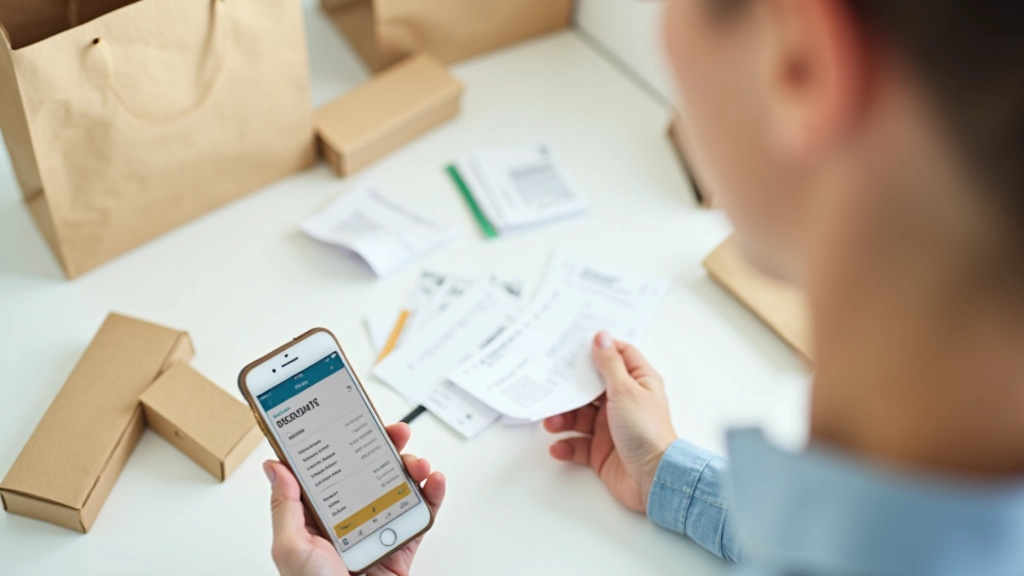
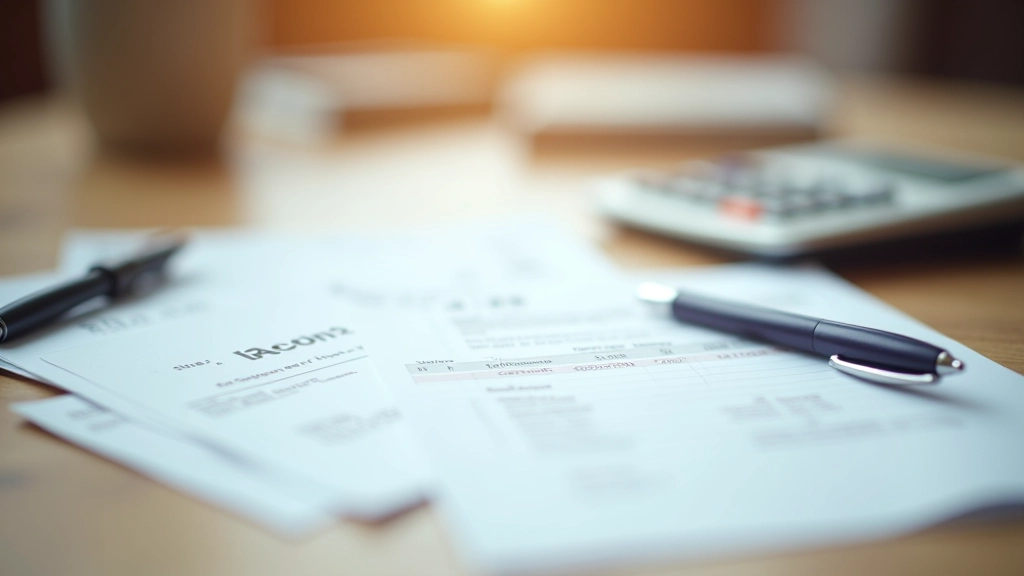
This is the simplest approach. Every receipt goes into a folder — digital or physical. Once a week, you spend 15 minutes sorting them into categories and adding them up. No app needed. No fancy spreadsheet formulas.
Here's why it works: the act of physically handling receipts makes you notice patterns. You'll see "coffee and lunch" adding up to €8-12 per day. You'll spot that subscription you forgot about. The weekly review takes maybe 15 minutes but gives you actual awareness of your spending.
Best for: People who like simple systems, prefer physical organization, or don't trust themselves to remember to log things in an app. This method also works well if you're rebuilding spending habits — the friction of sorting receipts keeps you conscious.
Time commitment:
15 minutes per week
Method 2: The App Method
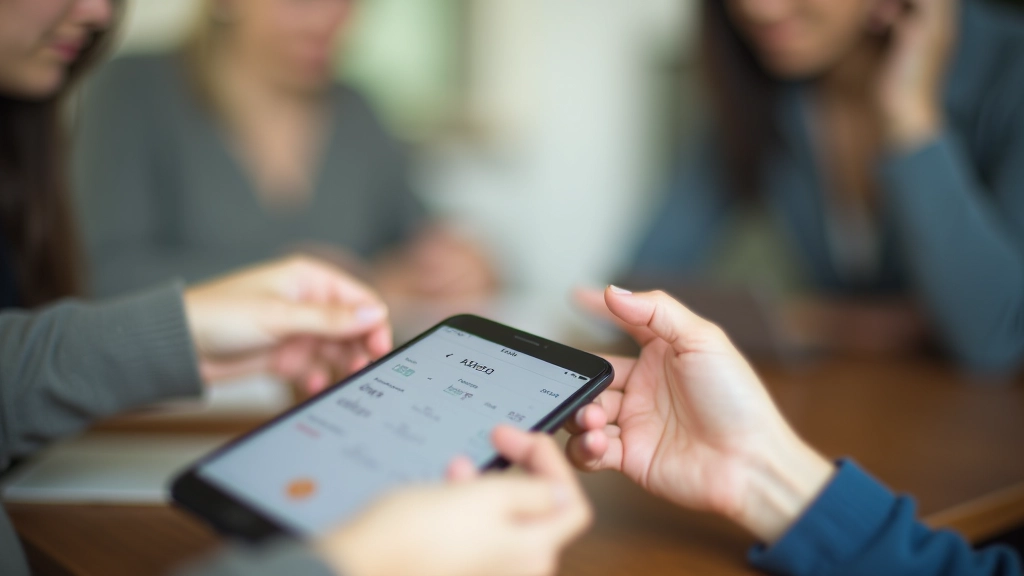
Apps like YNAB, Emma, or even just a simple Google Sheets template let you log spending on the go. You link your bank account, transactions pull in automatically, and you categorize as you spend or in batch at the end of the day. Some apps send you notifications when you're approaching category limits.
The advantage? You see spending in real time. Don't wait for a weekly review — you'll notice instantly when you've spent €40 on groceries instead of €30. Plus, the app does the math for you. No calculator needed.
Best for: People comfortable with technology, who want real-time feedback, or those with variable income where tracking matters week to week. It's also good if you use multiple payment methods — the app consolidates everything into one view.
Time commitment:
5-10 minutes daily (or batch review twice weekly)
Method 3: The Envelope Method (Digital or Physical)
This one's been around for decades, but it still works. You allocate money to different categories — groceries, transport, entertainment — and once that "envelope" is empty, you stop spending in that category until next week or month.
Physically, you'd use actual envelopes with cash. Digitally, you can set up separate savings accounts or use an app like Revolut or N26 that lets you create multiple "pots" with individual limits. The principle is the same: visual, hard boundaries.
What makes this method powerful? You can't overspend. There's no arguing with the system. If you've allocated €50 for entertainment this week and you've spent it, that's it. No guilt, no regret — just clarity. This approach also trains your brain to make spending decisions more intentionally because you know the money is limited.
Time commitment:
10 minutes weekly setup, then automatic enforcement

Getting Started This Week
1
Pick One Method
Don't overthink it. Choose whichever feels least annoying. Honestly, that's the best predictor of whether you'll actually stick with it.
2
Set It Up Today
Grab an envelope, download an app, or create a spreadsheet. Don't wait for Monday or the first of the month. Starting today removes a barrier.
3
Track for Two Weeks
Give yourself 14 days minimum. You'll feel weird at first. That's normal. By day 10, you'll notice patterns you've never seen before.
4
Adjust if Needed
If the method isn't working, switch. You're not locked in. Most people find their rhythm within 3-4 weeks.
Important Note
This article provides educational information about expense tracking methods. It's not financial advice. Everyone's financial situation is different — what works for one person might need adjustment for another. If you're dealing with debt or complex financial decisions, consider speaking with a qualified financial advisor who understands your specific circumstances.

Related Articles